
Interesting facts about dogs and the reason they roll over after a bath.

Many pet owners wonder why their pet makes those decisions. rolling over after a bath, an instinctive behavior that unites ancestral biology and modern canine sensory physiology.
Advertisements
Summary
- Rescuing canine olfactory identity.
- The science behind friction behavior.
- How humidity influences body temperature.
- Practical strategies to avoid dirt.
- Frequently asked questions about animal behavior.
Why do dogs often roll around after a bath?
The main explanation lies in the desire to restore the animal's natural scent. Scented shampoos, however pleasant they may seem to us, often irritate the animal's keen sense of smell.
For a dog, the smell of lavender or chamomile is strange, artificial, and even uncomfortable, which motivates an almost frantic search for familiar organic scents.
Besides the issue of smell, the act of rubbing against carpets or grass serves to remove excess moisture that penetrates the undercoat.
The accumulated water generates an uncomfortable sensation of heaviness and rapid cooling. The survival instinct, in this case, kicks in to prevent the body from losing heat in a disordered way.
Advertisements
How does ancestral instinct influence this habit?
In nature, wolves and wild canids use friction against the ground to camouflage their own tracks.
By applying substances external to its fur, the animal neutralizes chemical signals that would reveal its exact position during a strategic hunt.
There is something almost poetic and primal about this resistance to perfume; it is the preservation of the predator's essence.
Even though your pet lives in a safe home environment, this genetic inheritance remains latent. Bathing is interpreted as a drastic alteration of its natural state.
This triggers the instinctive response to... rolling over after a bath as a form of protection, seeking to "erase" human intervention in their biological identity.
What are the risks of rolling around in the garden right after cleaning?
The immediate danger is re-infestation by ectoparasites, such as fleas and ticks, which find a favorable environment for attachment in the still-moist skin.
Additionally, grass can conceal decaying organic debris or unseen chemicals, such as fertilizers and toxic herbicides that easily adhere to wet strands.
Another important point involves the proliferation of fungi and bacteria. When the dog gets dirty while the base of its fur is still wet, it creates an ideal microclimate for dermatitis.
The moisture trapped under the dirt is an invitation to severe irritation, requiring the owner to maintain constant vigilance immediately after cleaning.
You can check the official animal health guidelines at Federal Council of Veterinary Medicinewhich details essential canine skin care.
What are post-shower energy discharges?
Often called "zoomies," this explosive running and jumping behavior occurs because bathing generates a buildup of tension.
The physical restraint during washing and the intrusive noise of the dryer create anxiety that needs to be released forcefully. It's a physical catharsis after a moment of vulnerability.
By rubbing against the muscles, the dog also experiences immediate tactile relief, massaging the muscles that became stiff during the cosmetic procedure.
++ Interesting facts about dogs and why they avoid direct eye contact.
It's a celebration of regained freedom, blending psychological euphoria with the physical need to dry off quickly. The living room rug ends up becoming the perfect tool for this personal "spa."
Technical Data on Canine Olfaction and Behavior
| Feature | Technical Details | Impact in the Shower |
| Olfactory Cells | 125 to 300 million | Extreme sensitivity to perfumes |
| Lipid Layer | Protective natural sebum | Partially removed by soap |
| Thermoregulation | Limited cutaneous evaporation | Intense cold after wetting the fur. |
| Communication | Apocrine glands | The need to mark territory. |
When does rubbing behavior become a concern?
If your pet shows excessive distress or starts biting itself, the reason may not be instinctive, but rather an allergic reaction.
Products with a pH unsuitable for canine skin cause severe irritation, transforming the act of rolling over after a bath in a desperate attempt to relieve the itching.
Check for redness in the armpits or abdomen immediately after contact with the shampoo.
Read more: Interesting facts about dogs and how they choose a favorite owner.
Cases of hypersensitivity require the use of hypoallergenic products, and in persistent situations, consultation with a veterinary dermatologist becomes essential to prevent chronic skin lesions.
What can I do to prevent my dog from rolling around in the dirt after a bath?
The most effective strategy is to ensure the animal is completely dry before releasing it into outdoor areas.
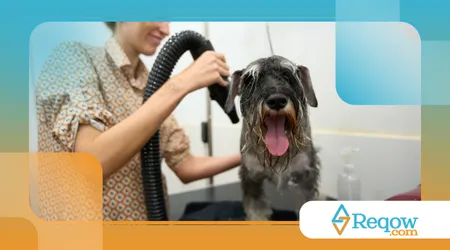
Use professional hair dryers on a warm setting, ensuring that the airflow reaches the roots of dense hair, where moisture tends to "hide" and cause thermal discomfort.
Offering high-value treats during drying helps create a positive association, reducing the anxiety that motivates frantic behavior.
Keeping the dog in a controlled environment, such as a room without fluffy carpets or a clean indoor area for thirty minutes, is usually enough to lower its adrenaline levels.
The habit of getting dirty decreases drastically when we use products with neutral scents. Prioritize formulations that respect the natural skin barrier, preventing the animal from feeling the urgent need to mask the smell.
++ Tips for dog owners who have adopted an adult dog.
Often, what we call "dog smell" is simply part of the dog's identity, and it doesn't need to be completely eliminated.
How important is proper drying for health?
Letting the animal dry naturally in the sun may seem practical, but it promotes the appearance of moist wounds known as "hot spots".
These skin lesions are painful and quickly develop infections if the pet continues to rub against contaminated surfaces. Prevention is much simpler than treatment.
Excessive friction against rough surfaces can cause micro-lesions that serve as entry points for pathogens.
Therefore, controlling the impulse of rolling over after a bath It's not just an aesthetic whim of the owner, but a fundamental sanitary prevention measure, especially for breeds with double or long coats.
To learn more about the physiology of domestic animals, visit the scientific education portal of [website/organization name]. National Geographic Brazil, which explores the natural world.

Final Reflections
Understanding why dogs seek out the ground immediately after grooming helps us respect the biological nature of these companions.
The act of scrubbing is a complex mixture of hunting instinct, thermoregulation, and the retrieval of sensory identity that we attempt to remove with soap and water.
By balancing necessary hygiene with the animal's psychological comfort, we ensure a more harmonious coexistence.
The secret lies in patience, using the right products, and meticulous drying.
Respecting this post-bath "ritual," offering clean alternatives for him to rub against, is the best way to maintain your pet's health and happiness.
FAQ – Frequently Asked Questions
Is it normal for a dog to go "crazy" after a bath?
Yes, this euphoria is a physiological response to release the stress accumulated during handling and the noise of the hairdryer.
Is pet shop perfume harmful to dogs?
Not necessarily, but it can be extremely irritating to a keen sense of smell, prompting the urge to... rolling over after a bath to remove the odor.
Can I let my dog dry off on the grass by himself?
It is not recommended. Grass contains microorganisms and parasites that easily adhere to damp skin, potentially causing disease or new dirt.
What's the best way to calm a dog after a bath?
Keep the environment calm, use warm towels, and offer positive reinforcement so he understands that the procedure is over and he is safe.
++ What does it mean when your dog rolls in the dirt after a bath?