
Interesting facts about dogs and how they choose a favorite owner.

Understanding the canine connection requires sensitivity to notice that They choose a favorite tutor. through subtle signals and emotional consistency.
Advertisements
Far beyond just food, this preference stems from safety, respect for instincts, and the quality of daily interactions.
Discover the biological and behavioral pillars that transform simple coexistence into a deep, exclusive, and truly unwavering loyalty.
Summary
- The neuroscience of favoritism
- Windows of opportunity: Socialization
- The weight of predictability
- Reading the signs of preference
- Table: Affinity vectors
- FAQ: What tutors ask
How does early socialization occur in a dog's mind?
There is a mystical and biological interval, between birth and six months, that dictates almost everything about a dog's personality.
It is in this vacuum of time that synapses consolidate, transforming a stranger who offers comfort into a central figure of reference for life.
Advertisements
Dogs often form unbreakable bonds with whoever guided them through the chaos of the new world during this critical phase.
Exposure to sounds, textures, and people is not just training; it's the construction of an emotional safe haven that rarely fades.
If you adopted an adult dog, the story is different, but no less intense. Canine brain plasticity is resilient.
The bond here doesn't stem from puppyhood memories, but from gratitude and respect for the geographical and physical boundaries that the animal imposes at the beginning.
Interestingly, the quality of interactions surpasses quantity. A tutor who dedicates ten minutes of complete presence—without a cell phone, without rushing—gains more emotional ground than someone who spends the entire day in the same room, but in emotional silence.
Why does nonverbal communication determine the favorite tutor?
There's something almost telepathic about the way dogs scan our microexpressions.
They don't just hear the command; they sense the subtle variation in heart rate and smell the cortisol we release when we're stressed or impatient.
In this silent process where They choose a favorite tutor.Calmness is often the most valuable prize.
Dogs are opportunistic animals in an emotional sense: they gravitate towards those who convey stability, avoiding the noise of volatile or explosive personalities.
The energy projected during a simple walk can be either an invitation or a repellent. Anxious owners often "electrify" the leash, creating reactive dogs.
In contrast, calm leaders, who don't need to shout to be heard, promote a state of relaxation that becomes addictive for the animal.
++ Dog breeds that can't stand being alone.
Eye contact, when done correctly, is a biological trigger. The release of oxytocin creates a feedback loop: the more tenderly the dog looks at you, the more connected you feel, and this chemical mirroring cements the hierarchy of affection in the home.
What role do routine and nutrition play in bonding?
Predictability is the language of security for any canine. A world where dinner appears at random times and walks are uncertain generates anxiety that undermines confidence.
Dogs love rituals; they need to know what to expect from the next step.
The person who provides the vital resources obviously has an initial strategic advantage. But make no mistake: true favoritism is rarely bought with premium food alone.
Filling the bowl is an obligation; the bond is born from what happens between one meal and the next.
Games that stimulate the instinct to explore and training sessions reinforce the intellectual bond.
The dog begins to associate its favorite owner not with the object (food), but with the experience of success and pleasure that that specific presence provides in various contexts.
To understand how nutrition intertwines with behavior, it is worth consulting the technical data from... Brazilian Association of the Pet Products Industry (Abinpet), which establishes standards of care and longevity in the sector.
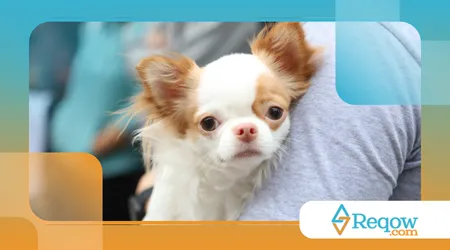
How can you tell if you're your dog's favorite?
The signs of preference are clear, though sometimes subtle. The "shadow dog" behavior, that constant following around the rooms, is the most obvious indicator that your presence is the animal's anchor in the domestic environment.
Physical rest is another crucial test. If the dog chooses to snuggle its body against yours while sleeping, it is delegating the role of watchdog to you.
In nature, sleep is the most vulnerable time; sharing this state is the pinnacle of canine trust.
Also pay attention to the reception. The excessive enthusiasm at the front door reveals a lot about who the dog considers its base of security.
Often, he ignores other villagers to ensure that his "return to the pack" is properly celebrated.
In frightening situations, such as fireworks or trips to the vet, observe who the dog looks at first.
Read more: How to teach your dog to fetch objects only when permitted.
They seek the gaze of their favorite to validate the level of danger. If you remain calm, their world instantly returns to normal.
How do personality similarities influence the choice, and how do they choose a favorite tutor?
Modern behavioral science flirts with the idea that dogs and their owners are mirror images.
Methodical and quiet people tend to get along better with less noisy breeds, while outgoing individuals find resonance in high-energy dogs.
It's fascinating to observe how They choose a favorite tutor. through rhythm compatibility.
A working dog, thirsty for activity, will hardly see as a leader someone who prefers absolute inactivity, creating a chasm of frustration between the species.
Focused attention is the differentiating factor that sets apart an owner from a guardian. The dog notices who truly interrupts the flow of the day for a genuine interaction.
This emotional availability is what builds authority based on affection, not fear.
++ Tips for dog owners to improve walks in busy neighborhoods.
Respecting a dog's "no"—that moment when it retreats to its corner—generates invaluable points of trust.
The owner who understands body language and gives space earns the respect of an animal that feels understood.
Factors that determine canine preference
Below are the factors that truly matter in the emotional balance, debunking the idea that a dog "loves everyone equally."
| Influence Vector | Weight in the Bond | Ethological Justification |
| Imprint Window | Critical | Sensory experiences between 8 and 16 weeks. |
| Cognitive Focus | High | Genuine engagement in training and mental challenges. |
| Positive Reinforcement | High | Rewarding behaviors without the use of fear. |
| Emotional Stability | Moderate | The human capacity to remain calm under stress. |
| Biological Rhythm | Moderate | Synchronization between the energy levels of the dog and the owner. |
Common mistakes that erode trust.
Physical punishment or the constant use of yelling are the quickest ways to destroy months of emotional development.
Fear is the opposite of bonding; it creates submission, but kills the voluntary loyalty that defines "favoritism."
Ignoring a dog's visual communication is another serious mistake. A growl, for example, is a request for space, not a challenge to authority.
Punishing a growl removes the animal's audible warning, which can lead to "sudden" bites in the future.
Intellectual neglect transforms brilliant dogs into apathetic shadows.
An animal that is not challenged to think seeks entertainment in destructive behaviors, emotionally distancing itself from a guardian whom it comes to consider irrelevant or monotonous.
To understand that They choose a favorite tutor. It involves an analysis of how we deal with otherness. Empathy here is not about treating the dog as a human, but about giving it the dignity of being a dog respected in its most basic needs.
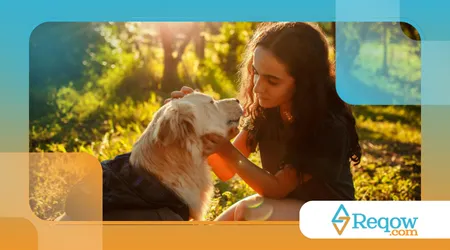
The search for work-life balance
If the relationship seems stuck in a cycle of fear or indifference, the support of a behavior-focused trainer may be key. Professionals who use scientific methods strengthen the bond without resorting to pain or coercion.
Behavioral therapy is especially valuable for rescued animals. Often, emotional blockage is a defense mechanism against old traumas. Overcoming these barriers requires technique and patience that goes beyond common sense.
Investing in canine psychology alters the perception of daily life. When you stop "commanding" and start "communicating," the animal's response changes drastically.
Favoritism ceases to be a dispute and becomes a natural consequence of harmonious coexistence.
The strongest bond is born in silence, in respect for animal nature, and in the acceptance that they have their own personality.
Dogs are not extensions of our ego, but sentient beings who choose their safe havens with surgical precision.
Canine love as an ongoing construction.
The mechanics of how They choose a favorite tutor. It's less about who holds the power and more about who offers the greatest psychological safety.
The title of "favorite" is not for life; it needs to be renewed with each walk and each act of patience.
It's not about perfection, but about consistency. Canine loyalty is one of the few feelings in the world that cannot be bought, only earned with time, sweat, and occasionally, a lot of fur on the sofa.
By adjusting your posture and paying attention to details, the bond transforms. Each animal has its own opening time; respecting this internal clock is the greatest proof of love a pet owner can offer their companion.
To understand ethical standards and advances in behavioral medicine, consult the collection of... Federal Council of Veterinary Medicine (CFMV)which regulates best practices for animal welfare in Brazil.
FAQ: Frequently Asked Questions
Can a dog have more than one favorite?
Generally, there is a central security figure, but they may have "favorites for different roles," such as one for playing and another for sleeping.
Does neutering change who the dog chooses to be neutered?
Neutering can reduce territorial and sexual behaviors, but the emotional bond and favoritism based on cohabitation remain unchanged.
Why does he prefer someone who barely sees him?
Sometimes, human indifference is interpreted by the dog as calm and non-threatening energy, which can attract more timid or reserved dogs.
Does the owner's scent influence this choice?
Yes, smell is like sight for dogs. The scent of their favorite owner activates the reward center in the canine brain, generating immediate comfort simply through proximity.
Is it possible to "win back" a hurt dog?
Absolutely. Using positive reinforcement, patience, and eliminating stress triggers can rebuild bridges that seemed lost forever.