
How to care for a tame cockatiel indoors.
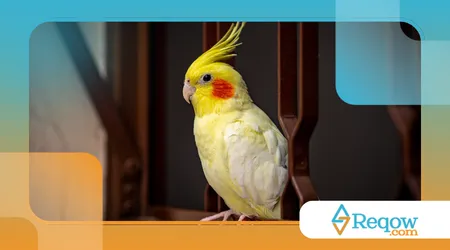
To know caring for a tame cockatiel It requires dedication, knowledge about the species' behavior, and specific adaptations in the domestic environment to ensure the bird's health.
Advertisements
What you will learn in this article:
- Choosing the ideal cage and organizing the internal space.
- A balanced diet in addition to the conventional seed mix.
- Environmental enrichment to prevent pet stress.
- Healthcare and routine veterinary check-ups.
What is a tame cockatiel and how does it behave?
The cockatiel (Nymphicus hollandicusThe crested guan is a bird native to Australia, recognized for its striking crest and ability to interact intensely with humans.
The term "tame" refers to an animal that has undergone socialization from an early age, allowing it to be touched and handled without exhibiting skittish or aggressive behavior.
These birds are extremely sociable and intelligent, and require constant attention from their owners to maintain their psychological well-being.
Indoors, they recognize voices, express joy upon seeing their owners, and can easily learn to whistle complex melodies.
Advertisements
A tame cockatiel actively seeks human companionship, transforming the household routine with its vibrant energy and natural curiosity for shiny objects.
Monitoring body language, such as the position of the crest, helps to understand if the animal is calm, scared, or excited.
How to prepare your home to safely receive a bird?
The domestic environment presents several hidden risks that can seriously compromise the physical integrity of this small parrot.
Before releasing the bird into the room, install fine mesh protective screens on absolutely all available windows and balconies.
Common ornamental plants, such as the dieffenbachia and ferns, are highly toxic and should be kept completely away from animals.
Extra caution is needed in the kitchen, as overheating Teflon-coated pans releases invisible gases that are lethal to the sensitive lungs of birds.
Exposed electrical wires pose a risk of electric shock, requiring the use of protective conduits along the entire accessible length of the property.
Keep bathroom doors closed, as open toilets and buckets of water pose an imminent risk of accidental drowning.
What is the ideal diet to maintain a cockatiel's health?
Proper nutrition is the fundamental pillar for ensuring the longevity and vitality of your pet.
Extruded feed specifically formulated for psittacines should form the basis of their daily diet, providing all the balanced micronutrients that the bird needs.
While seeds are appreciated, they have a high fat content and should only be consumed as an occasional snack during daily workouts.
Offer dark leafy green vegetables, such as kale, spinach, and arugula, thoroughly washed to enrich the diet with iron and essential vitamins.
Cooked vegetables without salt, such as carrots, pumpkin, and sweet potatoes, are excellent complementary options that stimulate your pet's palate.
++ How to help your pet adapt to changes in their routine.
Fruits such as apples and pears are allowed, however the seeds of these fruits contain cyanide and must be rigorously removed before consumption.
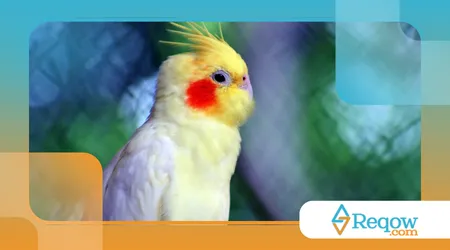
Recommended Nutritional Table for Cockatiels
The table below details the ideal proportion of different food groups that should make up the nutritional routine of your pet bird.
| Food Group | Dietary Ratio | Offer Frequency | Main Benefit |
| Extruded Pet Food | 70% | Daily rate (Free access) | Complete and balanced nutrition |
| Dark Vegetables | 15% | 3 to 4 times a week | Vitamins A, K and fiber |
| Vegetables and Fruits | 10% | 2 to 3 times a week | Hydration and various minerals |
| Seed Mix | 5% | Just as a snack | Psychological stimulation and pleasure |
Why is environmental enrichment mandatory when caring for a tame cockatiel?
The absence of adequate stimuli in the enclosure causes chronic boredom, culminating in destructive behaviors such as the dangerous plucking of one's own feathers.
Environmental enrichment involves introducing elements that stimulate the species' natural behaviors, such as gnawing, foraging, and climbing.
Install natural wood perches with varying diameters to prevent foot injuries caused by excessively linear or plastic surfaces.
Toys made with safe materials, including sisal rope, untreated pine wood, and loofah sponge, guarantee hours of entertainment.
Rotate the toys weekly to keep the animal's interest renewed and constantly challenge its cognitive and motor skills.
Read more: How to stop your cat from meowing at night at home.
Leaving the radio on with nature sounds or calming music helps to comfort the bird during moments of solitude.
When should you take your pet to a veterinarian specializing in birds?
Annual preventative checkups with a veterinarian specializing in wild and exotic animals are crucial for early detection of diseases.
Birds have a natural habit of hiding symptoms of illness to avoid appearing vulnerable, making home diagnosis difficult for their owners.
The professional will perform periodic stool examinations to monitor for the presence of internal parasites and will assess the integrity of the feathers.
Signs such as constantly ruffled feathers, severe apathy, loss of appetite, or changes in feces require urgent specialized medical attention.
To learn more about the biology and behavioral needs of these birds, it's worth consulting the website of... Brazilian Association of Wildlife Veterinarians – ABRAVAS, a reference in exotic species medicine.
Keeping your pet's health record up-to-date ensures a harmonious, safe, and much longer-lasting relationship with your pet.
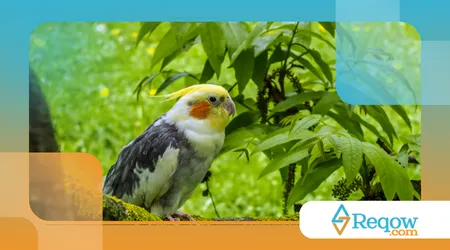
How to establish a proper sleep and rest routine?
Cockatiels need ten to twelve hours of uninterrupted sleep in a dark and quiet environment to preserve their immune system.
++ Why do hamsters sleep during the day? Understand this habit.
Prolonged deprivation of adequate rest generates chronic stress, sudden aggression, and can trigger severe hormonal disorders in the bird.
Cover the cage with a light, breathable fabric at nightfall, isolating the pet from the artificial light of the television and lamps.
Position the accommodation in a quiet room of the residence, avoiding late-night traffic or excessive noise from appliances.
Maintain consistent sleep and wake times, as environmental regularity provides psychological security for the pet.
This simple precaution prevents episodes of night fright, which are common when noises scare the bird in the total darkness of the room.
Learning best care practices transforms the dynamics of the home, bringing joy through genuine interactions filled with daily affection.
Ensuring excellent nutrition, a safe environment, mental stimulation, and regular veterinary care are the cornerstones of success on this journey.
Adopt these practices consistently and patiently, always respecting the adaptation time and individual limits of your beloved pet.
For more official guidance on the management of domestic and wild animals, please visit the institutional website of Brazilian Institute of Environment and Renewable Natural Resources – IBAMA, which regulates national guidelines.
Frequently Asked Questions
How often does a tame cockatiel need to be taken out of its cage?
The bird should spend at least two to three hours daily outside its cage to exercise its wings. Constant human monitoring during this period of freedom is essential to prevent serious accidents in the home environment.
How can you tell if a cockatiel is happy in its environment?
A happy cockatiel shows curiosity, sings frequently, constantly cleans its own feathers, and interacts happily with its inhabitants. A slightly lowered or relaxed crest indicates that the animal is comfortable with its current situation.
Can I bathe my tame cockatiel frequently?
Yes, provide a shallow bath with fresh, room-temperature water twice a week for the bird to bathe in.
Never use soaps, shampoos, or hair dryers, as these products severely damage the bird's natural protective plumage.